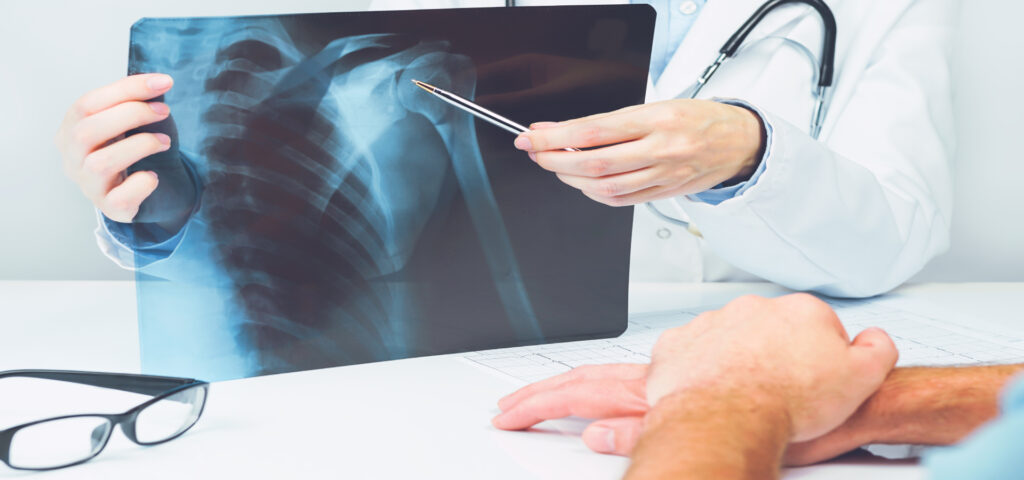
As you age, your bones gradually become less dense and strong. For some individuals, this loss happens more quickly, increasing the risk of fractures and other serious bone-related issues. This is why a DEXA scan is a crucial tool for assessing bone health and detecting problems early.
A DEXA scan is a quick, safe, and painless way to assess the strength of your bones. It helps doctors find out if your bones are losing density and whether you are at risk for conditions like osteoporosis. In this guide, we will explain what a DEXA scan does, who needs it, and what you can expect during the test.
Understanding DEXA Scan
A DEXA scan, also known as a bone density test, checks how strong your bones are and how much mineral content they have. DEXA stands for dual-energy X-ray absorptiometry. It uses two low-dose X-ray beams to measure the amount of calcium and other minerals in your bones, giving your doctor a clear picture of your bone health.
Unlike regular X-rays, which take pictures of your bones, a DEXA scan calculates how dense and strong they are. The test is critical because bone loss often happens silently, with no symptoms, until a fracture occurs.
Why Do Doctors Use a DEXA Scan?
A DEXA scan is a helpful tool for:
- Diagnosing osteoporosis:A condition where bones become weak and brittle.
- Diagnosing osteopenia:Early signs of bone loss that can lead to osteoporosis.
- Monitoring bone changes over time:To track whether your bones are getting weaker or responding to treatment.
- Assessing treatment needs:To decide if you need medication or supplements to strengthen your bones.
This test is often performed on your hip and spine because these areas are more likely to exhibit early signs of bone weakness.
Who Should Get a DEXA Scan?
A DEXA scan is often recommended for:
- Women over 65 and men over 70.
- Adults over 50 who have broken a bone after a minor fall or injury.
- People who have lost more than 1.5 inches of height.
- Adults with a family history of osteoporosis.
- People take certain medications that can weaken bones, such as steroids or cancer treatments.
Even younger adults may need a DEXA scan if they have risk factors like vitamin D deficiency, autoimmune diseases, smoking, or excessive alcohol use.
Your doctor will decide when you should have your first scan and how often you may need follow-up tests.
What Happens During a DEXA Scan?
A DEXA scan is a simple test that does not require hospitalization.
What to expect:
Before the test:
- Wear loose clothes without metal zippers or buttons.
- Do not take calcium supplements for 24 hours before the scan.
During the test:
- You will lie on a soft table while a scanner moves over your body.
- Foam blocks can be used to maintain the proper position of your legs or hips.
- The scan primarily examines your hips and spine but may also include your forearm.
How long it takes:
- The scan takes 20 to 30 minutes.
- It doesn’t hurt, and there are no needles or injections.
Understanding Your Results
Your DEXA scan results are given as a T-score:
- 0 to -1:Normal bone density.
- -1 to -2.5:Osteopenia (low bone density).
- -2.5 or lower:Osteoporosis (high fracture risk).
Your doctor will explain what your T-score means and whether you need lifestyle changes, supplements, or medication to improve your bone health.
Are There Any Risks?
A DEXA scan is very safe for most people. It uses a very low level of radiation, much less than a standard chest X-ray. However, it is not recommended for pregnant individuals.
Why is a DEXA Scan Important?
Bone loss happens slowly and often without symptoms. Many people do not realize they have weak bones until they break one. A DEXA scan allows your doctor to detect problems early and take steps to protect your bones.
By knowing your bone density, you can make informed choices about exercise, nutrition, and treatments to keep your bones strong and healthy for years to come.
A DEXA scan helps check if your bones are strong and healthy. If you are older or have weak bones, your doctor can determine if you need this test. Identifying weak bones early helps you stay healthy and move more easily as you age.
Our imaging services include: 3D Mammogram, Ultrasounds, Sonograms, X-Rays, MRI Scans, 3D Sonogram, Echocardiograms, Prostate MRI, Bone Density Scan, Arthrograms, CT Low-Dose Lung Cancer Screening, Lung Cancer Screening, CT Scan, and OB Ultrasound.